

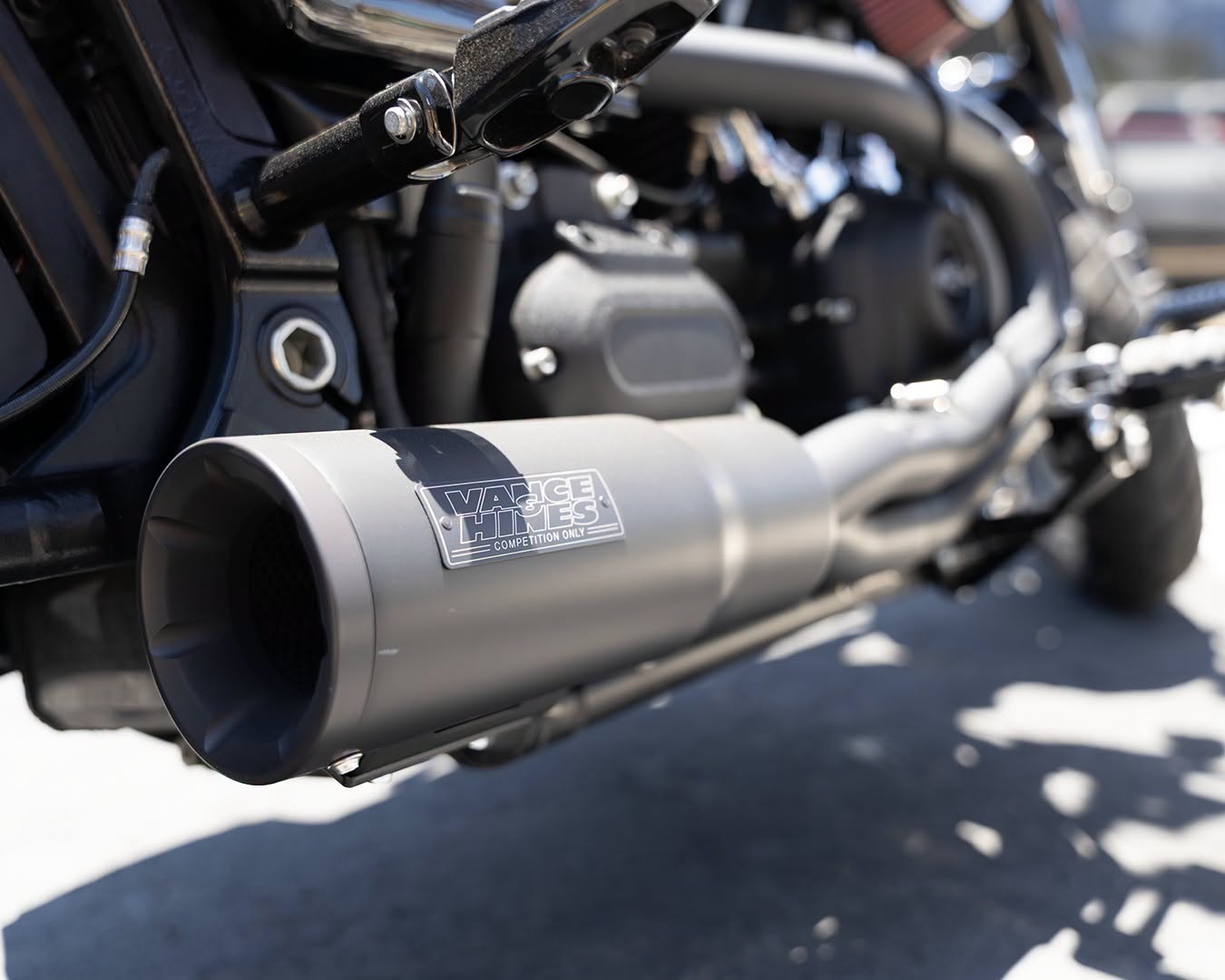
Vance & Hines has reached a settlement with the U.S. Environmental Protection Agency, bringing a long-running Clean Air Act enforcement matter to a close from the company’s perspective. For riders, dealers and builders who depend on aftermarket performance parts, the bigger question is what comes next.
In an October 16 announcement, the exhaust and performance manufacturer said the investigation began in 2018 and culminated in a Consent Agreement and Final Order. Vance & Hines described the financial settlement as a payment approaching seven figures. That amount is the company’s characterization; the specific penalty amount was not independently established from the materials reviewed for this report.
What the Vance & Hines EPA Settlement Covers
The EPA’s public administrative enforcement docket lists V&H Performance LLC, doing business as Vance & Hines, under case number CAA-09-2026-0050. The agency identifies the matter as a Clean Air Act case, with a Consent Agreement and Final Order filed September 30, 2026, in EPA Region 9.
That official docket is an important piece of the story. It confirms the enforcement action exists, separate from the company’s description of how it has responded. A settlement resolves an enforcement matter; it should not automatically be read as a court verdict on every allegation or a blanket approval of every product a company sells.
Readers can review the EPA docket and the Vance & Hines announcement directly.
A Different Approach to Performance Parts
Vance & Hines says it spent the last four years reorganizing its product strategy and making a multimillion-dollar investment in engineering and testing facilities. Rather than simply dropping products affected by emissions requirements, the company says it has been working on exhaust systems intended to deliver the sound and usable torque riders want while meeting applicable rules.
That’s a significant shift for the American V-twin aftermarket. The industry has long relied on the freedom to personalize a motorcycle, whether that means changing exhaust systems, improving throttle response or building a serious performance package. But selling parts for street motorcycles also brings legal responsibilities that differ from products intended exclusively for competition.
Vance & Hines President and CEO Chris Lindstrom characterized compliance and performance as engineering challenges that can be tackled together. According to the company, newer systems have undergone extensive development and testing. Those are manufacturer claims, not independent performance-test results.
Why Dealers and Builders Should Pay Attention
This isn’t just a story about one exhaust manufacturer paying a penalty. It highlights the pressure on companies throughout the supply chain to understand emissions-related rules, how products are advertised and which applications are legal for street use.
For dealers, that means getting clear information about fitment and legal use rather than assuming every performance component can be installed on every street bike. For builders and customers, it means asking more questions before spending money on a package that could create inspection, warranty or regulatory headaches.
At the same time, the case does not mean motorcycle performance is finished. Companies can continue developing legal street products and dedicated racing components, but those categories need to be distinguished accurately.
The Bigger Picture for American V-Twins
Vance & Hines says it plans to keep developing exhaust, intake and fuel-management products within the evolving regulatory environment. Whether its new generation of equipment fully satisfies riders who want traditional V-twin sound and strong power is something the market—and independent testing—will decide.
For Cycle Source readers, the takeaway is straightforward: aftermarket performance isn’t disappearing, but the business of making and selling those parts is changing. We’ll be watching what that means for the shops, builders and riders who keep American V-twin culture moving.
Sources: Vance & Hines statement dated October 16, 2026; U.S. EPA administrative docket CAA-09-2026-0050.


