

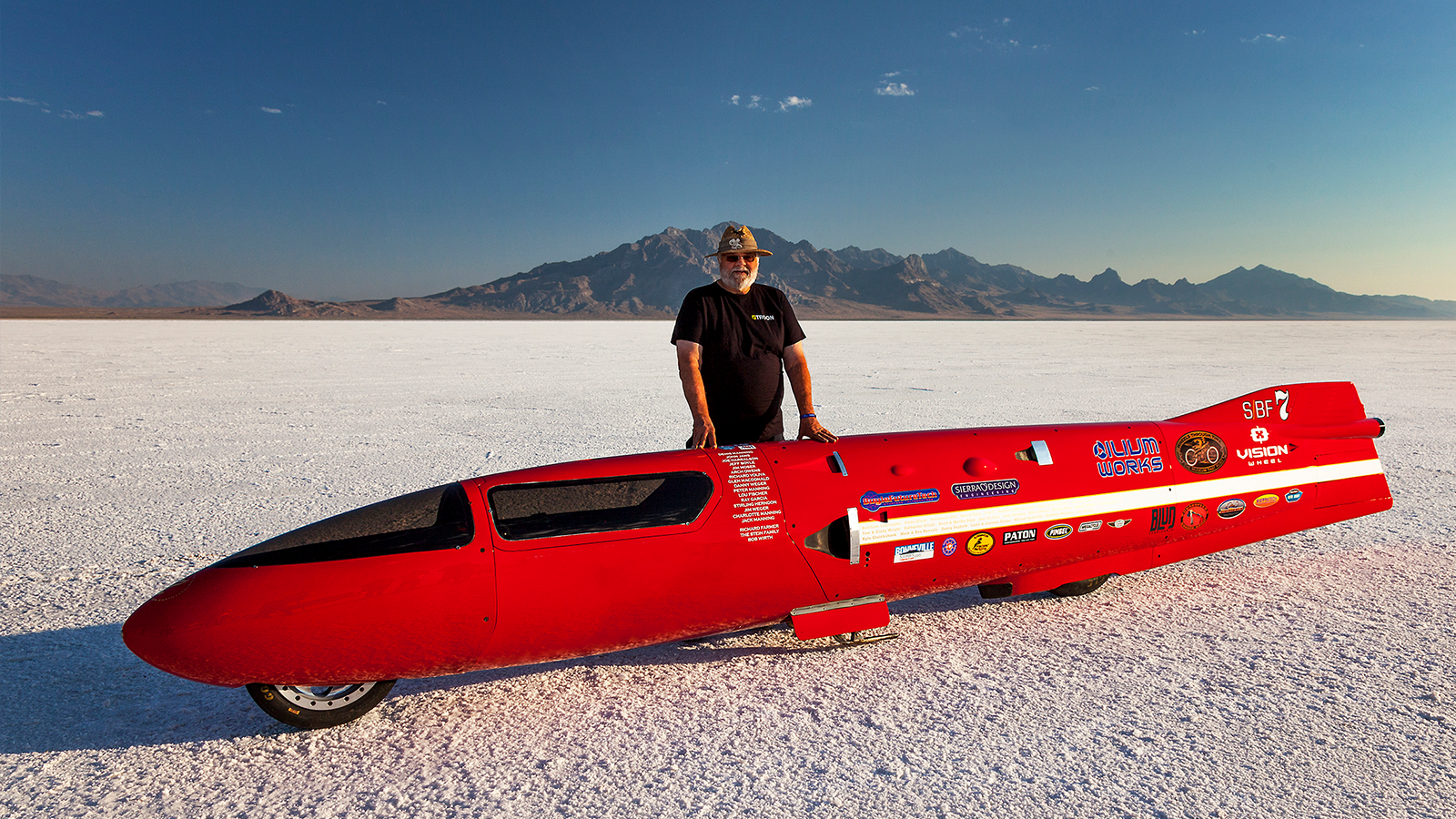
Chasing 400mph at Bonneville: Inside the World of Denis Manning & Chris Rivas
Every year, the motorcycle world holds its breath for those wild enough to chase new limits. On Shop Talk Episode 318, host Chris Callen brings together two giants, Denis Manning and Chris Rivas, as they aim to do the unthinkable: ride a motorcycle at 400 mph on the legendary Bonneville Salt Flats. From legendary race engineering to stories from Sturgis, this episode shows what makes motorcycle culture so relentless, passionate, and downright entertaining.
Welcome to Shop Talk – Your Inside Pass to Motorcycle Culture
Shop Talk is more than a podcast—it’s the weekly gathering place for people whose lives revolve around motorcycles. Every Sunday, riders, builders, and legends turn on Shop Talk for stories, event recaps, and candid moments you just won’t find anywhere else. The show is available on YouTube, Roku, Apple TV, and more. As Chris says, it’s the sound of wrenches, good times, and the open road.
Recapping the Sturgis Motorcycle Rally Experience
The 85th Sturgis Motorcycle Rally felt both wild and, oddly enough, a little subdued for an anniversary year. Still, the crew caught up with many colorful personalities—both longtime friends and newcomers.
One standout was AJ, joining for his first Sturgis and diving right in as the team’s photographer, capturing all the mayhem and magic the rally offers.
Introducing the Legends: Denis Manning and Chris Rivas
The heart of this Shop Talk episode is the exclusive conversation with two real racing legends.
- Denis Manning: The creative force behind the Bub’s Number Seven streamliner, with a long history of land speed records. Denis is an engineer and fabricator with a lifelong obsession for speed.
- Chris Rivas: Multi-time motorcycle drag racing champion, beloved for his success on V-twin Harleys and his relentless race spirit.
Landing these two right after Sturgis, and with a world record attempt weeks away, is a rare treat for anyone who loves the sport.
The Quest for 400 mph – What Does It Mean?
Why 400 mph? For Denis Manning, setting speed records started as a teenage dream. He held records before, notching up 350 mph, then 367 mph, and even clocking an official 373 mph. Now, the first target is breaking 376 mph—the line that brings the record home before shooting for the moon at 400 mph.
Pushing these speeds isn’t just about bigger engines; it’s about calculated risk, heartbreak, and the urge to leave a mark. As Denis says, “People talk about 400 miles an hour. It’s easy to say. It’s extraordinarily hard to do.”
The Streamliner Machine – Design and Technology
The streamliner motorcycle chasing this record isn’t anything you could buy off the shelf. Denis describes a chassis built entirely from carbon fiber and Kevlar for unmatched strength and ultra-low weight. The engine and gearbox? Designed in-house, cast and machined by his own hands after years of failed attempts and refinements.
Gearing stats are as bold as the ambition:
- Tow-up to 50 mph in first gear
- First gear tops out at 200 mph
- Second: 270 mph
- Third: 340 mph
- Fourth is geared for the legendary 400 mph
This isn’t just fast. It’s science fiction made real.
Engineering Inspiration – The Salmon Shape
How do you build a 400 mph machine? Turn to nature. Denis found inspiration in the salmon, known to reach 50 mph in water (a factor that roughly equates to 400 mph through air). After studying wind tunnels and aerodynamicists’ designs, Denis shaped the streamliner after a salmon’s body, achieving a coefficient of drag of just 0.08—lower than most race cars ever dream of.
The Challenges of Bonneville Salt Flats Racing
Racing at Bonneville isn’t just pinning the throttle and hoping for the best. The salt’s texture changes constantly, wind can kill a run, and you only get a handful of attempts each year. The effort is huge—emotionally and financially.
- Unpredictable salt surface
- Wild winds that ruin runs
- Financial burdens (materials, hotels, support crew)
- The pressure to make every mile count
Racers need more than courage—they need the maturity to know when to back off and when to charge ahead. For more context on Bonneville and its racing legends, Bonneville Speedway is a great resource.
The Personal Touch – Riders Behind the Record
Denis Manning’s streamliners have been piloted by legends including Cal Rayborn and Valerie Thompson. Chris Rivas, meanwhile, built his career from Harley mechanic to a celebrated drag racer. He’s tackled both the NHRA Pro Stock Motorcycle circuit and the salt, moving from shop-built Sportsters to custom streamliners.
Chris isn’t shy about the dangers, but trust in Denis’s engineering and preparation helps. He knows the risks but believes good process and a great team make all the difference.
Safety and Innovation in Streamliner Design
These machines aren’t just fast—they’re ingeniously safe. The streamliner uses a monocoque chassis (meaning the body itself acts as the frame), and features an independent parachute system designed to deploy if the bike senses anything wrong, even if the rider can’t trigger it.
Denis recounts how Valerie Thompson survived a crash at over 350 mph, walking away thanks to this obsessive commitment to safety.
Chris Rivas’s Record-Breaking Ride History
Chris’s career is packed with wins on Harley-Davidson V-twins, dominating regional drag races and national NHRA events. He’s raced in Pro-Stock classes, set class records, and was always that guy with a Harley beating the “metric” bikes. Some of his biggest moments came at Bonneville—first breaking the 150 mph mark on a bagger, pushing through breakdowns, and finally touching 204 mph.
With turbocharged monsters, Chris pushed his sit-on Harley up to 244 mph—which, for many years, was the fastest recorded speed on such a bike. Learn more about Chris’s storied racing career on Rocket Cams Inc..
Overcoming Setbacks – Lessons from Crashes and Failures
Both Denis and Chris have stories of machines that didn’t quite work—blown engines, geometry mistakes, and accidents on the salt. Chris describes a nasty tank-slapper wreck that forced him to study motorcycle geometry, literally hacking his frame apart to rebuild it stronger and safer.
The philosophy? Every failure is a lesson. Every comeback is sweeter.
The Importance of Process and Preparation at High Speed
A 400 mph bike is more spaceship than motorcycle. Chris walks through the intricate checklist—joysticks, pedals, rope-release, parachutes—that he has to memorize and rehearse.
Preparation means writing, reviewing, and reciting every move. Practice, both mental and physical, keeps the rider safe when there’s no room for mistakes.
Teamwork and Sponsorship in Land Speed Racing
Top-level land speed racing runs on heart and empty wallets. In years past, sponsors like Mike Corbin made the impossible possible, but nowadays, even legends have to scrape for support. Raw materials—carbon, Kevlar, specialty metals—are bought as needed.
Behind every run is a group of family and friends providing support, wisdom, and the occasional hotel room.
The Legacy and Impact of Denis Manning on Motorcycle Racing
Denis Manning’s contribution to land speed racing just can’t be overstated. Not only did he push the limits with his machines, but he also helped rewrite the rulebooks for both the AMA and FIM, opening up Bonneville to motorcycle-only events and an international field. His earlier bikes now reside in major museums from Indianapolis to Birmingham, England.
Personal stories, humor, and wild recollections keep lessons grounded and alive.
The Family Tradition – Racing with the Next Generation
This culture isn’t just about speed; it’s about family, too. Chris shared the story of his daughter beginning land speed racing at 12, from riding on the dyno to setting her own records at Bonneville. Teaching her each step, making sure she could handle the process, and seeing her surpass expectations were milestones he’ll never forget. The nerves never go away, though—sometimes they’re even worse when watching your child take her turn at speed.
Highlights from Sturgis – AJ’s First Time Experience
AJ’s first Sturgis was overwhelming—everywhere he looked, there were bikes, riders, and stories. AJ, a photographer from Texas, documented the rally from every angle, hopping off his bike to grab shots in intersections, handy with both his camera and others’ cell phones.
He braved the Black Hills and hill climb events (and some “interesting” bar stories), evolving into a core part of the Cycle Source team. Want to see his work? His Instagram handle is @AJ_Benoa.
Memorable Moments and Community Stories from Sturgis
Among the many laughs: AJ calling Paul Yaffy “Arlin” for an entire day, much to everyone’s delight. One first-timer even got written up for public urination and proudly framed the ticket. The rally also gave a moment to recognize a 100-year-old female rider, still a legend, and serving as an inspiration to all, especially the up-and-coming generation.
The community at Sturgis thrives on shared respect, pranks, and support.
Behind the Lens – Challenges and Triumphs of Motorcycle Photography
Riding a bike with cruiser bars and balancing a camera takes more than quick reflexes—it takes guts. AJ describes riding at speed while grabbing photos, adapting to each moment, and capturing the heart of Sturgis. With somewhere near 2,000 images processed, his photography tells the story for those who missed it.
Feature Bike Spotlight – Dale Carlson’s Kenny Boyce Build
Another show highlight was a feature on Dale Carlson from Minnesota and his Kenny Boyce custom bike. Dale swapped his banged-up GS for the rare custom, tweaked everything from risers to digital dash, and wound up with a Harley-inspired hot rod that’s as much about family sketches as it is performance.
The bike features 3D-printed mounts, custom-machined parts, and a legendary orange Kenny Boyce finish—stories of home-grown builds meeting magazine dreams.
Conclusion
From the salt to the streets, from the Bonneville legacy to modern-day Sturgis, Shop Talk Episode 318 captures the essence of motorcycle culture—risk, invention, hard-earned victory, and community. Chasing 400 mph isn’t just a number; it’s a mindset, a process, and a tribute to everyone who dares to go faster.
Don’t miss future episodes and coverage of the world’s boldest speed runs. For more on land speed history, check out Land Speed Records At The Bonneville Salt Flats, and keep your eye on the Bonneville Motorcycle Speed Trials to see if 400 mph finally falls.
Get out there, do something with your motorcycle, and remember: same chopper time, same chopper channel.


