


Some people are remembered for the motorcycles they built or the miles they rode. Milwaukee Mike will be remembered for something even harder to find. He made people feel connected.
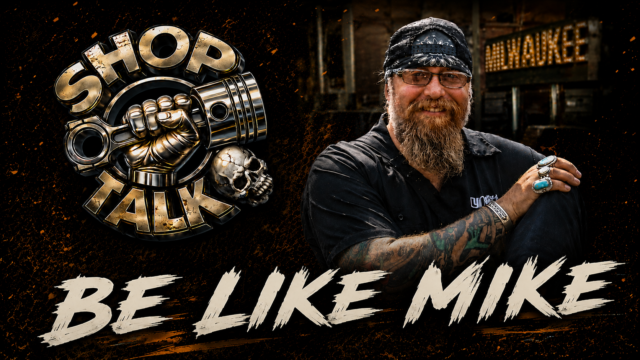
On a special episode of Shop Talk from Cycle Source, Chris Callen gathered friends from all over the country to remember a man who somehow became the center point for countless riders, builders, artists, and road-weary travelers. The stories were funny, painful, loud, emotional, and honest, which felt exactly right for a tribute to Mike.
The episode quickly became more than a memorial. It felt like a reunion of motorcycle culture itself. Friends logged in from different states, different scenes, and different chapters of life, but the second the stories started, everybody was back in the same room again. That was Mike’s gift. He made people feel like they belonged.
Throughout the night, people described him in different ways. Some called him the “Mayor of Milwaukee.” Others said he was the mayor of motorcycling. One friend compared him to the knot in the middle of a string phone, the point that connected everybody else together. Another called him “a motorcycle algorithm before algorithms existed.” Every description landed because Mike had a rare ability to bring people together naturally.


He remembered names, stories, broken bikes, kids, birthdays, and life details most people forget five minutes after hearing them. He knew who needed help, who had spare parts, who was changing jobs, and who needed a couch to crash on after a long ride. None of it came from ego or attention-seeking. He simply cared about people, and in today’s world that stands out more than ever.
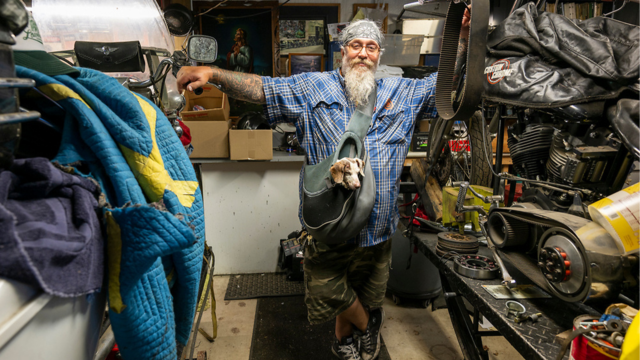
A huge part of the conversation centered around The Shed in Milwaukee, which became legendary in its own right. More than just a garage, it turned into an unofficial headquarters for riders, builders, artists, and wandering souls passing through town. People remembered oil-stained floors, blue tarps, tools piled everywhere, half-finished motorcycles, late-night conversations, and strangers instantly becoming friends.
The stories painted a clear picture of what motorcycle culture is supposed to look like. Know how to work on your own motorcycle. Never leave somebody stranded. Make room for people when they need help. Feed them, hand them a tool, offer them a floor to sleep on, and keep the road moving forward.


That spirit showed up over and over throughout the episode. Riders remembered arriving late at night with broken bikes only to find Mike already organizing help before they even asked. Others laughed about sleeping in basements, on couches, porches, air mattresses, or anywhere space could be found because Mike’s place was always open.
The crew also talked about “Mikey Time,” the running joke that nothing involving Mike ever happened quickly. A simple gas stop could turn into an hour-long conversation with a cashier, a bartender, or a stranger who suddenly became a new friend. Mike never moved through a town without learning something about it first. He wanted to know the history, the people, the stories, and the places that mattered.
That curiosity made him unforgettable. Mike loved motorcycles, but his interests stretched far beyond bikes alone. Friends talked about his love for neon signs, Milwaukee history, movies, art, food, local bars, and the random details that turn ordinary road trips into stories people tell for decades afterward.
The reach of his friendships became impossible to ignore during the tribute. Story after story came in from Sturgis, Daytona, Arizona Bike Week, Mama Tried, BMR, The Smoke Outs, The Donnie Smith Show, Cycle Showcase in St. Louis, and countless roadside bars and parking lots across the country. Mike didn’t just attend events. He made people want to go to them.
Several guests explained how Mike encouraged them to support new motorcycle shows and grassroots events long before they became nationally recognized. Others described how he introduced them to lifelong friends who eventually became family. Again and again, the same theme surfaced: if you knew Mike, your world became bigger.


The emotional weight of the episode grew even heavier after Chris Callen mentioned the response following Mike’s passing. Social media filled instantly with decades of photographs, road memories, parties, bike nights, and snapshots from every era of Mike’s life. For many people watching the show, it became an unexpected reunion because Mike managed to reconnect everyone one more time.
What stood out most throughout the entire night were not giant accomplishments or celebrity moments. It was the small things people could not stop remembering. The hugs. The long phone calls. The way he asked about your family by name. The birthday messages. The jokes that could diffuse tension in seconds. The steady reminder that someone genuinely cared how you were doing.
The show also made space for Sarah, Taylor, and Mike’s family, and several guests spoke openly about how happy Mike had become in recent years. There was grief in the room, but there was also gratitude. People recognized that Mike built a life filled with purpose, friendships, creativity, and genuine love for the people around him.
By the end of the tribute, one phrase kept rising above the rest: “Be Like Mike.”


Not because anyone could replace him, but because the example matters. Keep the door open. Make introductions. Help people out. Take the call. Show up for somebody’s first event. Offer the couch. Help fix the broken bike. Tell people you love them while they are still here to hear it.
That was the real message behind this episode of Shop Talk. Motorcycle culture survives because of people willing to connect others, build community, and keep friendships alive. For a very long time, Milwaukee Mike did that better than almost anybody else.
And judging by the stories shared that night, his impact will keep rolling down the road for a long time to come.