


Related Cycle Source Video
Chopper Fest 2008 — Archive Footage

There are motorcycle shows, and then there are motorcycle gatherings that remind you why you fell in love with this whole damn thing in the first place.
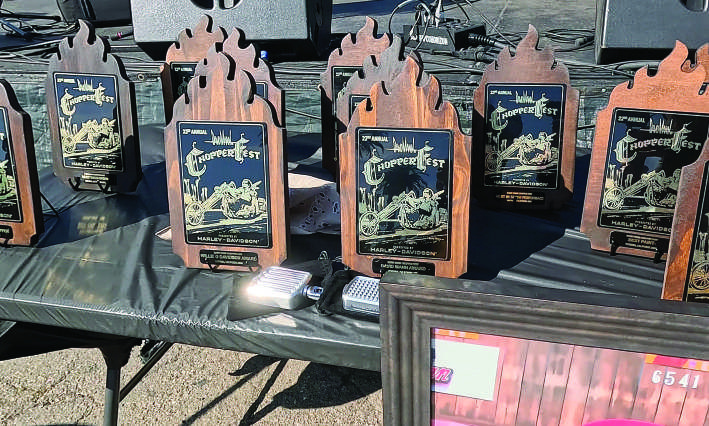
David Mann Chopper Fest has always been one of those weekends.
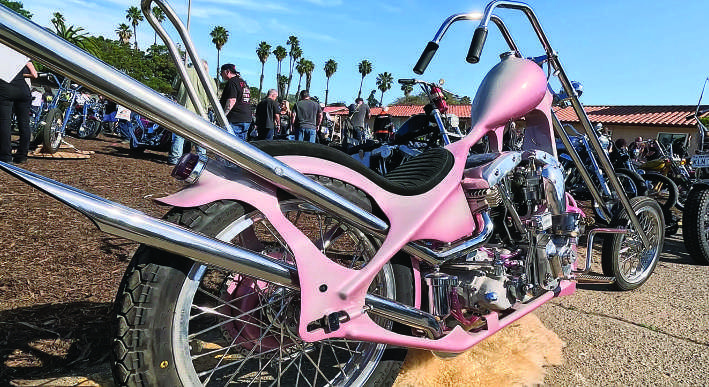

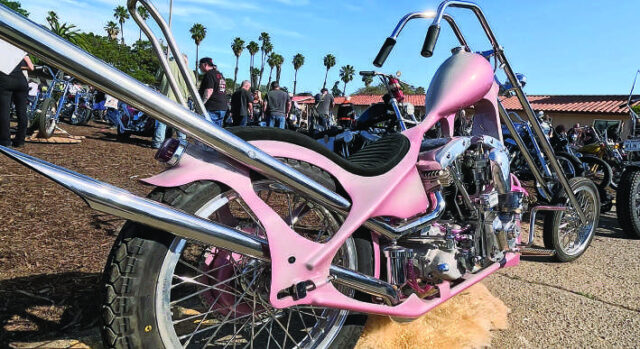
Long before the gates open, you can feel it. Vans are unloading motorcycles that were finished the night before. Builders are wiping fingerprints off paint that still smells fresh. Somebody’s kicking a Panhead to life while another guy is laying parts out on a blanket hoping to make enough money to fund the next project. That’s the heartbeat of Chopper Fest. It isn’t polished, manufactured, or trying to be something it’s not. It’s just motorcycle people getting together for all the right reasons.
This year’s show marked the 22nd running of the event, and under the direction of Carey Brock, it feels like the torch has been passed without anyone forgetting where the flame came from. David Mann’s name still means something here. His paintings weren’t just motorcycles; they were snapshots of a lifestyle. The people, the bars, the garages, the long roads and friendships—that was always the real subject. Chopper Fest carries that same spirit. The motorcycles may get you through the gate, but it’s the people who make you stick around.

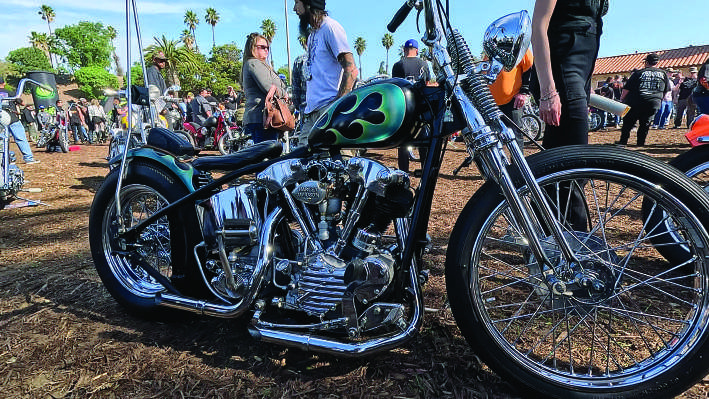
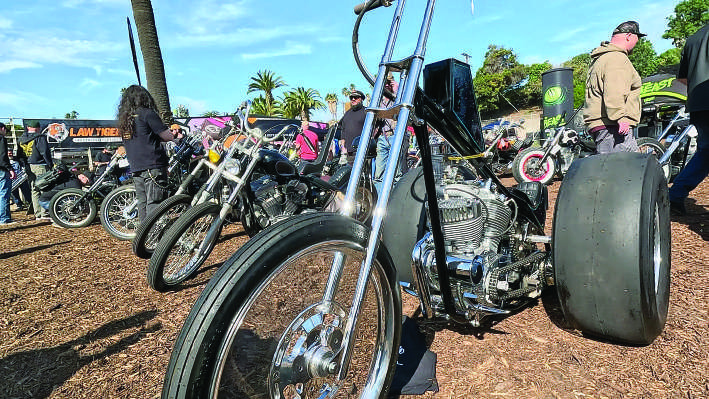
One of the best parts about this show is that nobody seems interested in chasing whatever the latest trend happens to be. You won’t find row after row of identical motorcycles built to satisfy social media. Instead, every bike has its own personality. There are knuckleheads sitting beside shovelheads, skinny little period-correct chops parked next to bikes that couldn’t have existed twenty years ago, and somehow it all works. Every machine tells a story about the person who built it instead of the era they were trying to copy.
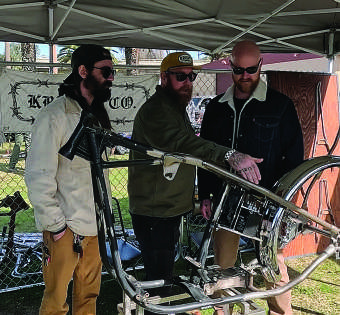
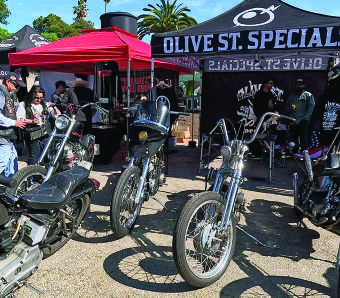
That’s something I noticed talking with Max from 4Q. His bikes don’t happen by accident, and they certainly don’t happen overnight. He talked about spending hours mocking up parts, taking everything back apart, changing one little detail, and starting over until the motorcycle finally feels right. That’s how the best choppers have always been built—not by following a blueprint, but by trusting your gut and letting the motorcycle tell you what it wants to become.

One thing Max said stuck with me all weekend.
“We shouldn’t compete…we should inspire.”

That’s about as good a description of the current chopper scene as I’ve heard in a long time.
For years people have been predicting the end of choppers. Every time the industry changes, somebody says the movement has peaked. Then you walk through Chopper Fest and see twenty-something kids crawling around motorcycles, asking questions, taking pictures of frame details, studying tank mounts, and dreaming about what they’ll build when they get back home. The scene isn’t dying. It’s simply changing hands, just like it always has.

A perfect example of that was the giveaway motorcycle built by Crispy Choppers. Alex and his crew had only a few weeks to pull the whole thing together, yet the finished bike looked like something that had been planned for months. Built around their own hardtail, handlebars, and brake components, it wasn’t trying to reinvent the wheel. It was just an honest, good-looking shovelhead chopper that anyone would be proud to own.
Sometimes that’s enough.

We spend so much time talking about the next big thing that we forget how satisfying it is to see a motorcycle that’s simply built right. Good stance. Good proportions. Nothing extra. Nothing missing. That’s the kind of motorcycle you remember.
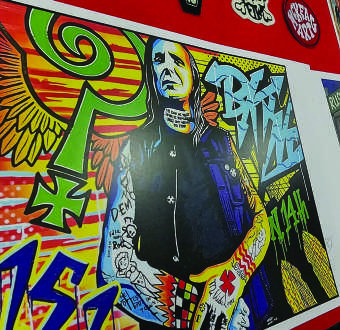
Of course, Chopper Fest has never been just about motorcycles. Art has always been woven into its DNA, and walking through the David Mann exhibit is a reminder of why. David painted motorcycles the way most of us remember them—not sitting on mirrors under spotlights, but living real lives. Parked outside bars. Leaning against garages. Rolling down highways with friends. Those paintings captured something that photographs sometimes miss, and they still resonate because they’re honest.
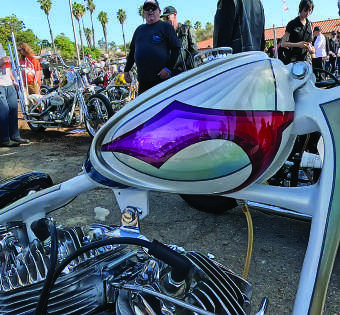
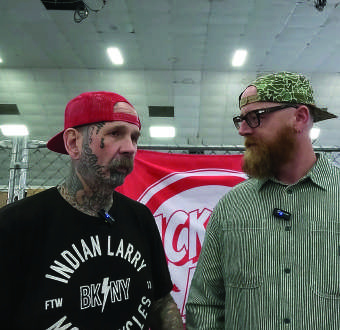
That honesty showed up in Darren McKeag’s work, too. Whether he’s painting tanks, tattooing, or creating stained glass, everything comes from the same place—a genuine love for old motorcycles and the people who ride them. Listening to him talk about Indian Larry, David Mann, and the builders who shaped his life reminded me how connected this community really is. Most of us never had the chance to meet our heroes, but somehow we’re all influenced by the same handful of people who refused to build motorcycles like everyone else.
That’s the legacy Chopper Fest celebrates.
And then there’s the Wall of Death.
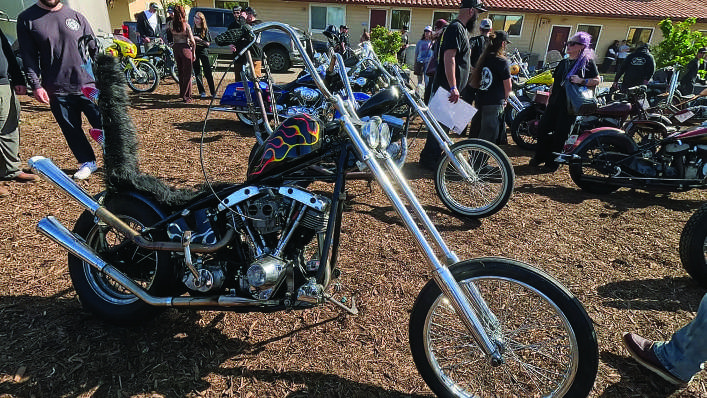

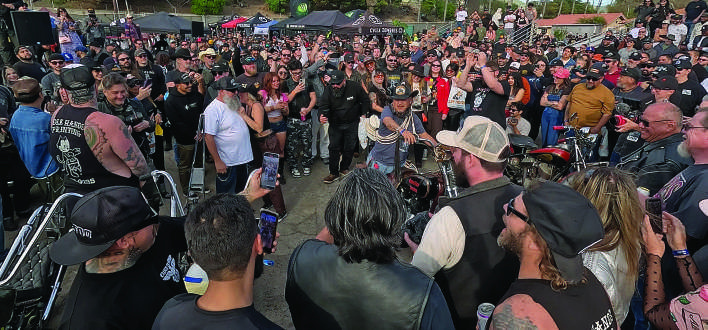
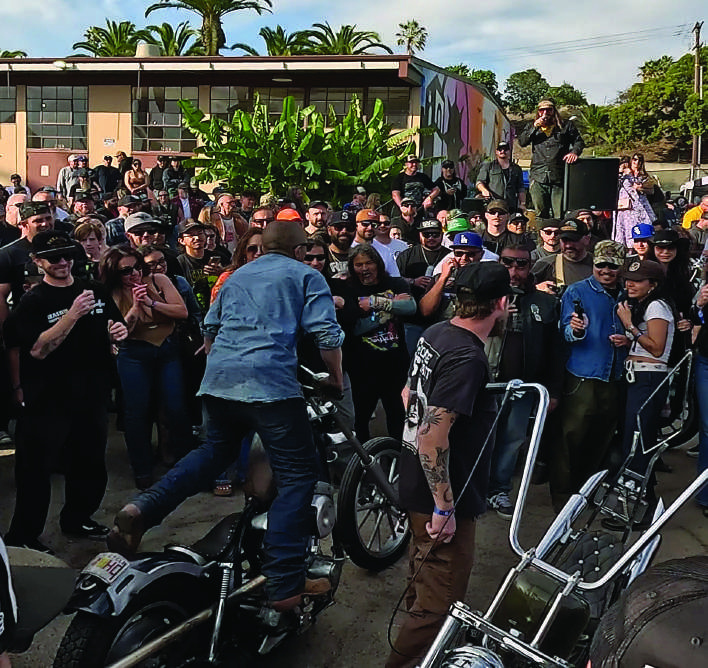
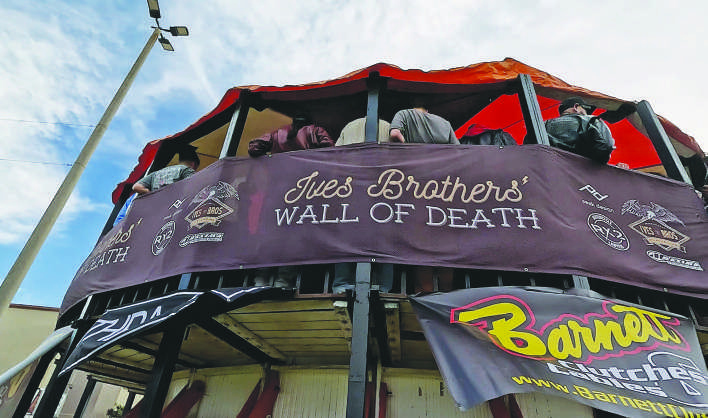
You can hear it before you see it. The sound of those old machines climbing the wooden walls still turns heads, and for a few minutes everyone forgets about trophies, paint, and fabrication. They’re just grinning like kids watching something they know they probably shouldn’t be trying at home. Add live music, vendors selling everything from handmade leather to swap meet treasures, and motorcycles packed into every corner of the fairgrounds, and you’ve got the kind of day that disappears before you’re ready for it to end.
What I appreciate most about David Mann Chopper Fest is that it still feels approachable. Builders aren’t hiding behind velvet ropes. You’ll find yourself talking to someone whose work you’ve admired for years, and before long you’re discussing handlebars, oil tanks, old photographs, and where the best swap meets still are. That’s how ideas get passed from one generation to the next. Not through YouTube videos or social media posts, but standing beside a motorcycle while the builder points at a bracket and explains why he made it that way.

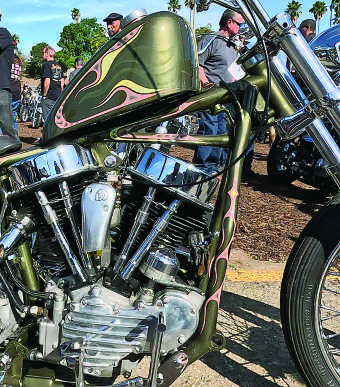

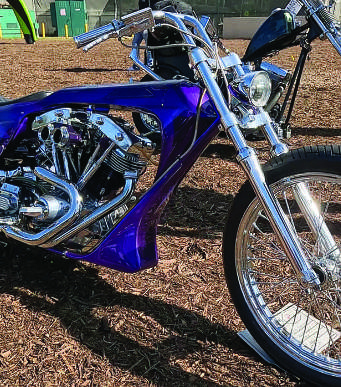
That’s how chopper culture has always survived.
As the afternoon rolled on, I found myself thinking about David Mann’s paintings again. They were never really about motorcycles. They were about freedom, individuality, and the people who choose to live life a little differently. More than twenty years after this event began, that spirit is still alive in Ventura.

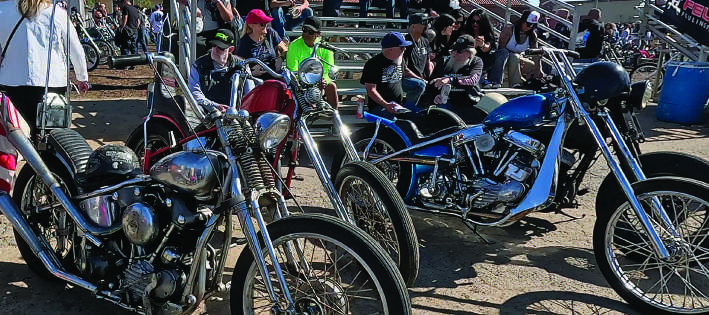

You can see it in the young builder staring at an old knucklehead, already planning his own version. You can hear it in the stories shared between friends who only see each other a few weekends a year. You can feel it every time another kickstart brings an old Harley to life.
That’s why Chopper Fest matters.

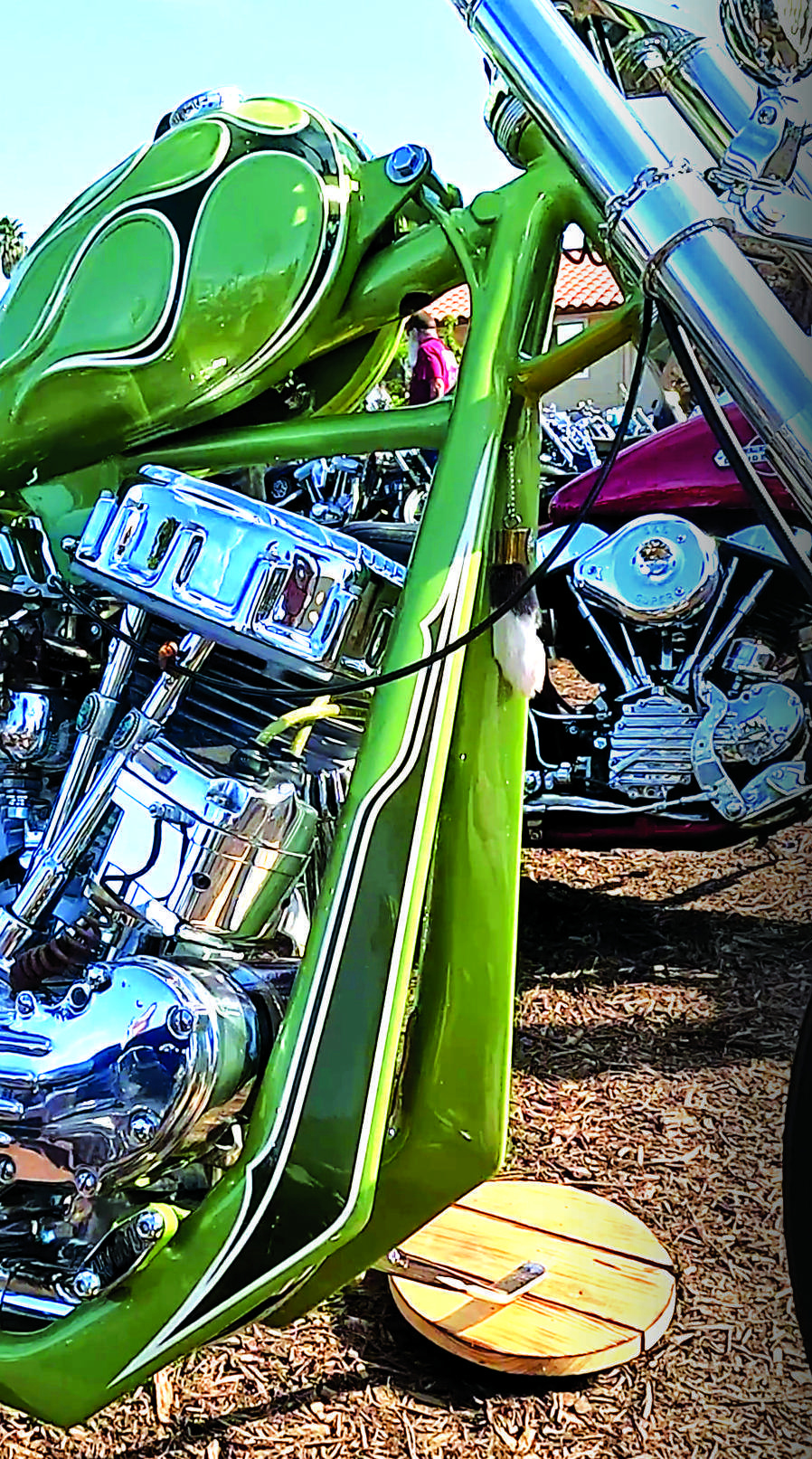
It reminds us that choppers aren’t museum pieces, and this lifestyle isn’t something you preserve behind glass. It’s something you build in your garage, ride until something breaks, fix with your buddies, and pass along to the next guy who’s crazy enough to fall in love with old iron.
As long as there are people willing to do that, David Mann’s vision—and the culture he helped define—isn’t going anywhere.